
Styrene reactor at a polystyrene plant in Connecticut, USA.
Cellular glass on a jacketed, agitated styrene reactor kept self-removing — sliding to the bottom of the vessel and blocking access to the agitator gearbox. Pyrogel® XTE was hot-installed and has been in place since.
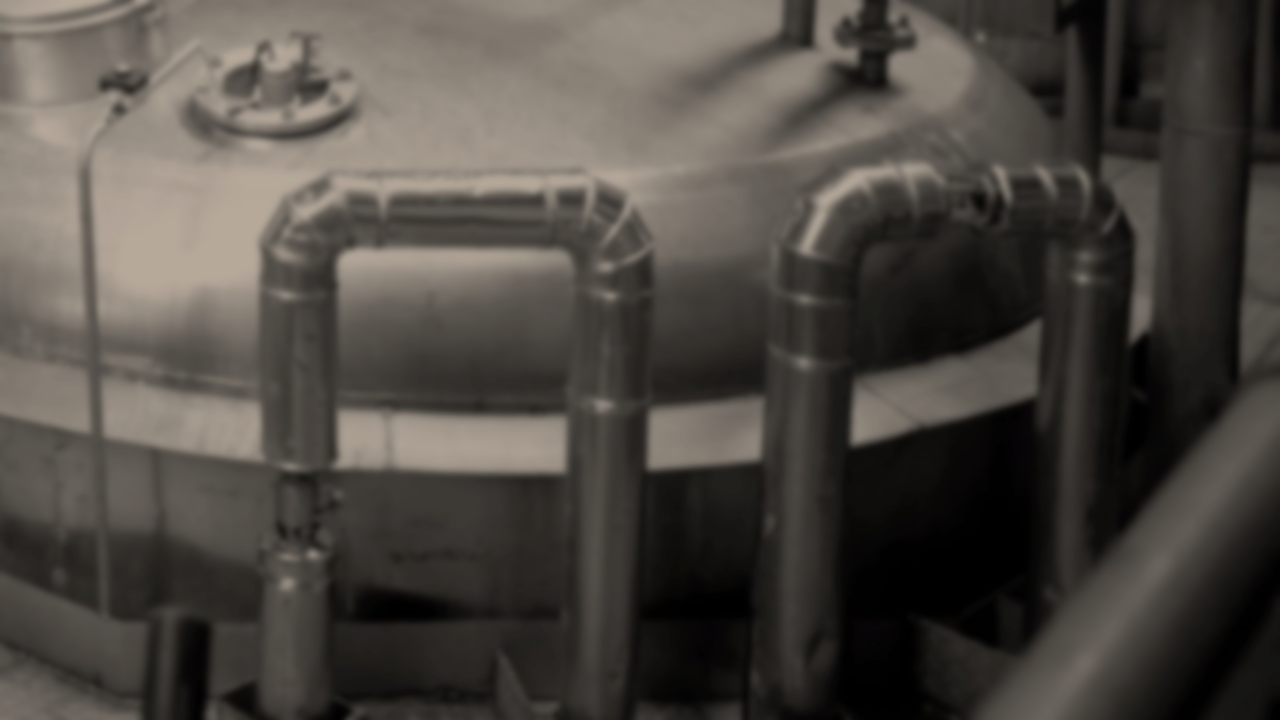
Cellular glass that ‘self-removed’ during operation.
The reactor cycles from ambient to 180 °C and is agitated; cellular glass came loose and slid to the bottom — blocking maintenance access.
- Cellular glass self-removed during operation. Cycles of ambient to 180 °C and continuous agitation broke it free.
- Material slid to the bottom of the reactor. Built up around the agitator gearbox.
- Blocked safe access to the gearbox. Maintenance access was previously boxed out due to insulation failure.
Hot-install Pyrogel® XTE without taking the reactor down.
Pyrogel® XTE’s flexibility absorbs the cycling motion that defeated cellular glass; the thin format restored access to the agitator.
- Hot-installed without outage. Reactor remained in service through the install.
- Stabilized operating conditions. Reactor temperature held cleanly across the cycle.
- Thin format restored gearbox access. Bottom agitator now accessible for routine maintenance.
- Still in place since 2017 install. No subsequent self-removal events.
Stable reactor and routine maintenance restored.
Pyrogel® XTE survives the cycling and agitation that defeated cellular glass. The thin format gave the maintenance team back access to a critical mechanical component that had been boxed out for years.
Insulation ‘self-removing’ on an agitated vessel?
Pyrogel® XTE absorbs cycling motion that defeats rigid foam — Aspen can hot-install on live equipment.