
LNG liquefaction export facility on the US Gulf Coast.
Trains 1 and 2 of a Gulf Coast LNG liquefaction export facility were running behind on the original cellular-glass spec. Cryogel® Z replaced the inner-layer cellular glass on a hybrid solution and got the trains commissioned — and Train 3 was switched fully to Cryogel® Z.
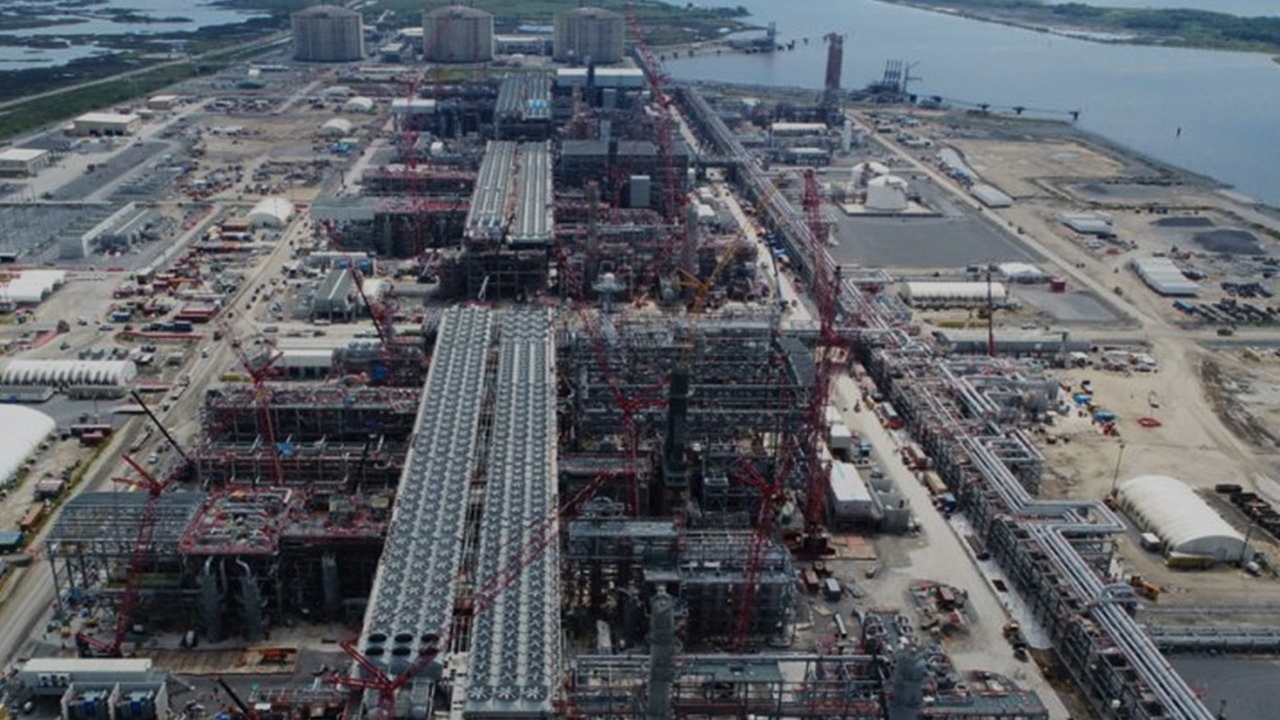
Cellular-glass-specified trains running 2 months behind.
Cellular glass had been specified and purchased; Trains 1 and 2 were behind schedule and needed an acceleration plan.
- Cellular glass spec already purchased. Material on site, contractually committed.
- Trains 1 and 2 behind schedule. Schedule slip threatened first-gas-out milestones.
- Hybrid solution required. Operator wanted to avoid scrapping the purchased material entirely.
Hybrid: Cryogel® Z inner layer, cellular glass outer.
Replace the inner-layer cellular glass with Cryogel® Z; commission the trains; complete remaining outer-layer cellular glass, vapor barrier, and jacketing post-commission.
- Inner-layer cellular glass replaced with Cryogel® Z. ≈75% of thermal resistance on 20-in pipe; ≈100% on <20-in.
- Commissioned successfully on the hybrid. Trains came on line ahead of the all-cellular-glass plan.
- Outer cellular glass + jacketing applied post-commission. Hybrid order of operations preserved the purchased material.
- Train 3 switched fully to Cryogel® Z. Operator changed the spec for the next train based on hybrid results.
Versatility unlocked an earlier first gas.
Cryogel® Z’s compatibility with cellular glass let the project accept a hybrid sequence — commission with Cryogel Z’s thermal performance as the primary insulator, complete the cellular-glass + jacketing scope post-commission. Train 3 specified Cryogel Z fully on the strength of these results.
Project bought cellular glass and now running late?
Cryogel® Z works as a hybrid inner layer to recover schedule without scrapping the existing material.