
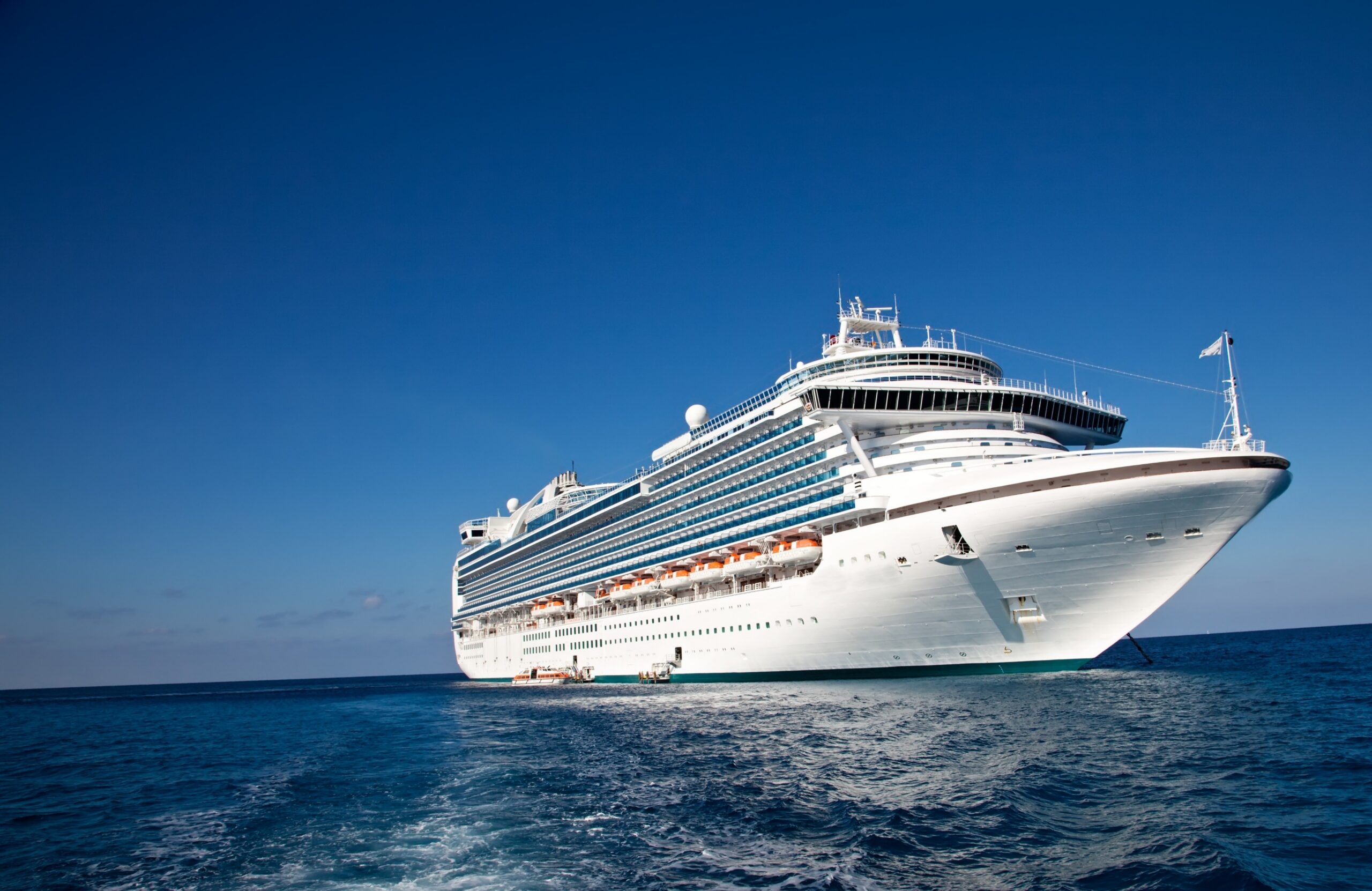
LNG-fueled cruise ships built in Germany.
Marine cryogenic-insulation experts replaced PIR with Cryogel® Z on the LNG fuel lines of multiple cruise-ship builds — and reported zero warranty claims, zero call-backs, and zero remarks on inspection.
LNG fuel lines in hot, humid, space-constrained shipboard conditions.
Conventional PIR carried multi-year warranty exposure and condensation risk on LNG service below deck.
- High condensation risk. Hot, humid conditions over an LNG-temperature fuel line.
- Multi-year warranty exposure. Builder responsible for fuel-system performance over a long horizon.
- Tight below-deck spaces. Thicker rigid insulation would have impacted accessible space.
Cryogel® Z replaces PIR across the LNG-line scope.
Multilayer vapor barrier design plus the wrap-and-tape install workflow reduced both initial-remark risk and long-term warranty exposure.
- Replaced PIR on all LNG lines. Across the entire shipboard fuel-line scope.
- Multilayer vapor barrier design. Reduces call-back risk versus single-layer systems.
- Thin profile in tight quarters. Frees up below-deck working room.
- Expanded to 6 additional cruise ships. After the first ship’s results were validated in service.
In 30 years, I have not had a project with zero warranty claims, zero call-backs and zero remarks.
7 ships and counting.
Cryogel® Z’s combination of ease-of-install and multilayer vapor barrier reduced both initial remark risk and long-term warranty exposure. Following the first ship’s results, the program expanded across the marine-insulation specialist’s full LNG-cruise-ship pipeline — seven ships completed and counting.
Marine LNG fuel-line scope?
Cryogel® Z’s multilayer vapor-barrier design is engineered to survive marine inspection cycles — Aspen has the case data.