
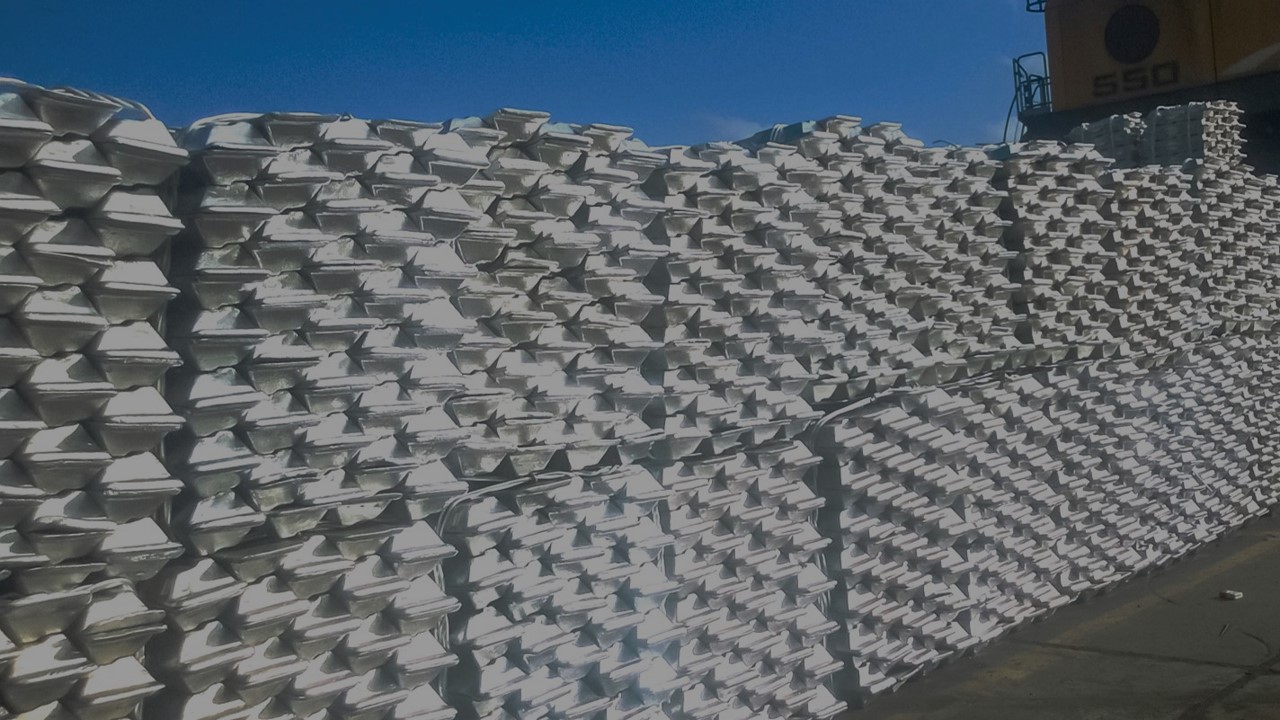
Aluminium refinery tube-digestion piperack in Queensland, Australia.
At 300 °C service, this should have been above the typical CUI range — but wet, failing mineral wool kept localised temperatures in the danger zone. Pyrogel® XTE delivered sustained thermal performance and stable process control in an unusually aggressive environment.
Mineral-wool failures driving CUI at 300 °C.
Typical CUI upper limit is ~150–180 °C, but wet weather pushed local conditions into the failure zone even at 300 °C operating temperature.
- Mineral wool failed repeatedly. Could not be kept on the pipes; process instability followed.
- Weather pushed surface temps into CUI range. Despite 300 °C bulk service, the failure mechanism was active.
- Extreme process instability in wet conditions. Site operation suffered every rain event.
Pyrogel® XTE for heat conservation and CUI defense.
Pyrogel® XTE was selected specifically for its resistance to the damage mechanisms present — a heat-and-weather combination the incumbent couldn’t survive.
- Pyrogel® XTE for hot service. Conserved heat against the aggressive environment.
- Resistant to the local damage mechanisms. Continues delivering thermal performance year after year.
- Stabilized process control. Reduced sensitivity to weather events.
- Reduced energy and maintenance cost. From restored thermal performance across the piperack.
Operations no longer track the weather.
Pyrogel® XTE delivered sustained thermal protection in conditions that defeated mineral wool. Site management now focuses on operational performance rather than tracking weather-driven process instability — and Pyrogel XTE was added to the site specification.
Hot-service piping with weather-driven CUI?
Pyrogel® XTE conserves heat and defends against the damage mechanisms — Aspen has the case data for aggressive environments.